
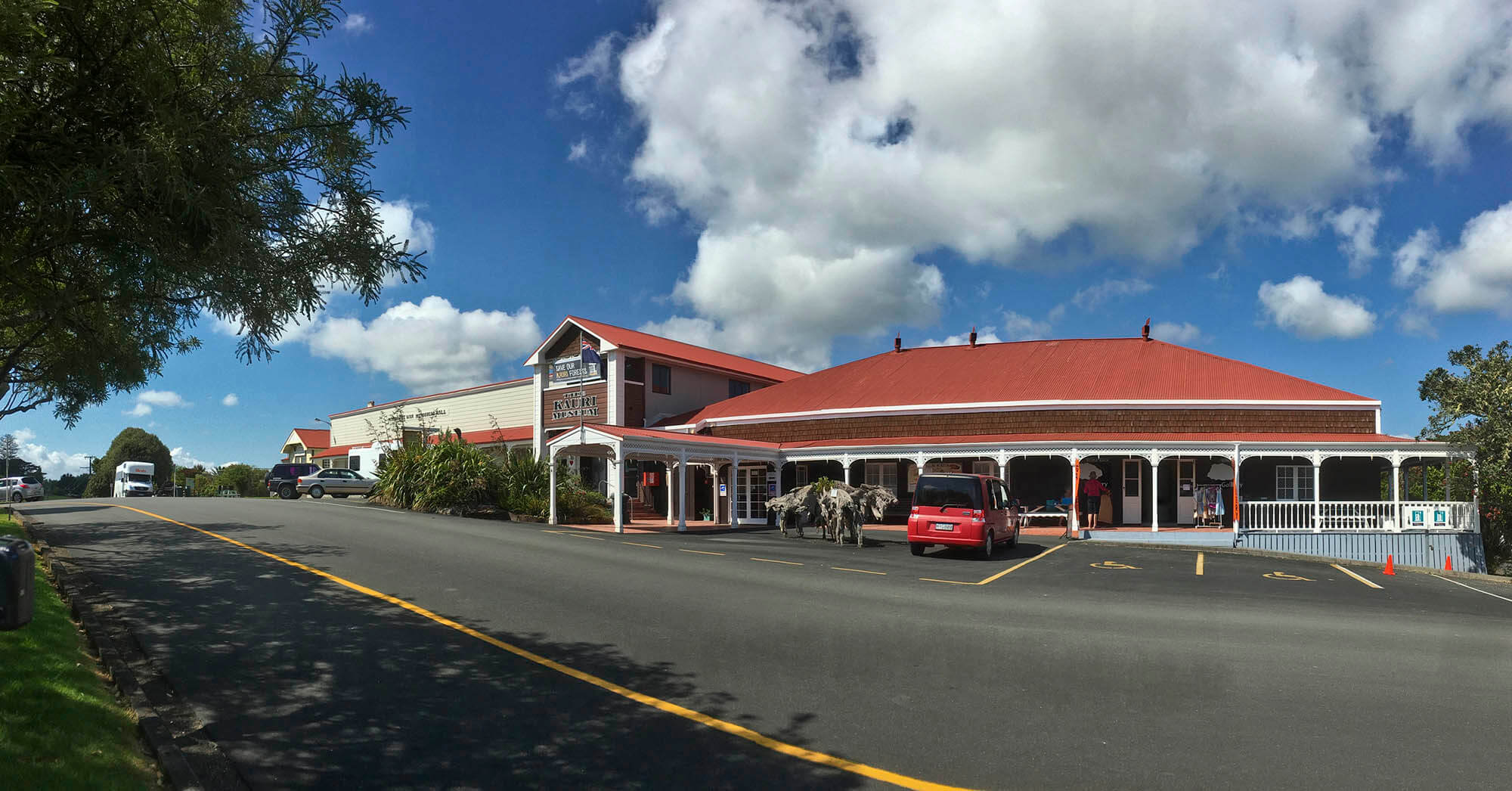
Deep in the heart of an ancient forest that’s gone, the Kauri Museum celebrates one of the world’s greatest trees and honours our relationship with it.
We share stories of courage and determination, tragedy and triumph, boundless hope and unfathomable loss; kauri making a nation.
Dig Deeper Here.
The kauri tree, Agathis australis, is New Zealand’s largest and most famous native tree. Located midway between Auckland and the Bay of Islands, the Kauri Museum tells some of the stories of this amazing tree.
Celebrating everything to do with kauri and the people of northern New Zealand/Aotearoa, the Museum has stories of the Māori of the north eastern Kaipara, of European pioneers, of foresters and sawmillers, gum diggers and farmers, and of business people, fishers and the families who have made this area their home.
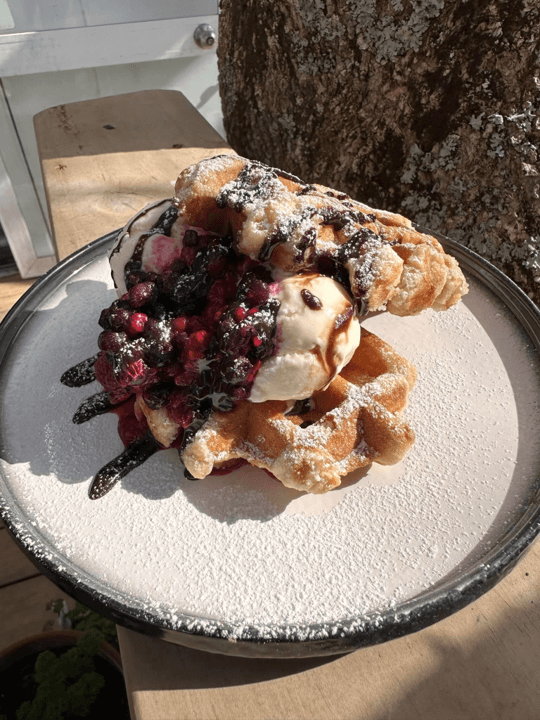
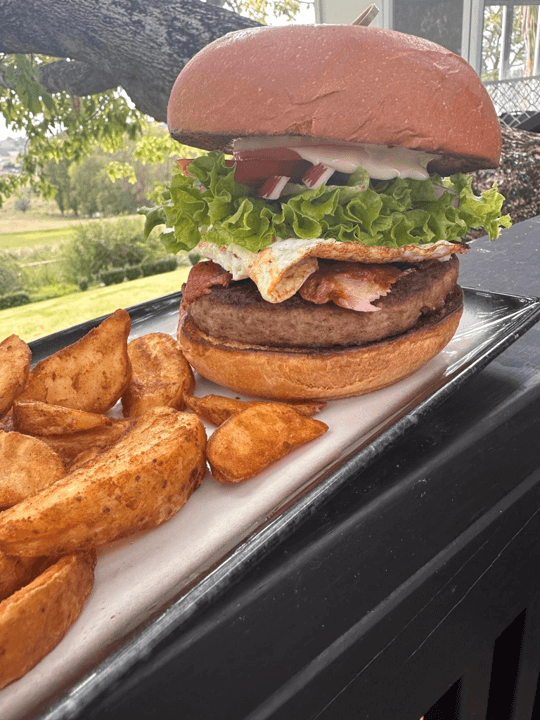
This experience also includes lunch at the Gumdiggers Café, conveniently located opposite the Museum. You are welcome to leave the Museum, have your lunch, and return for a further look!
Museum highlights include:
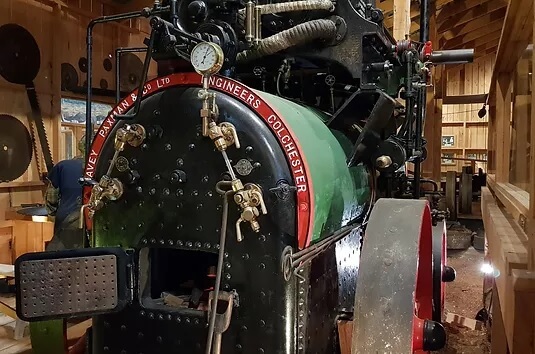
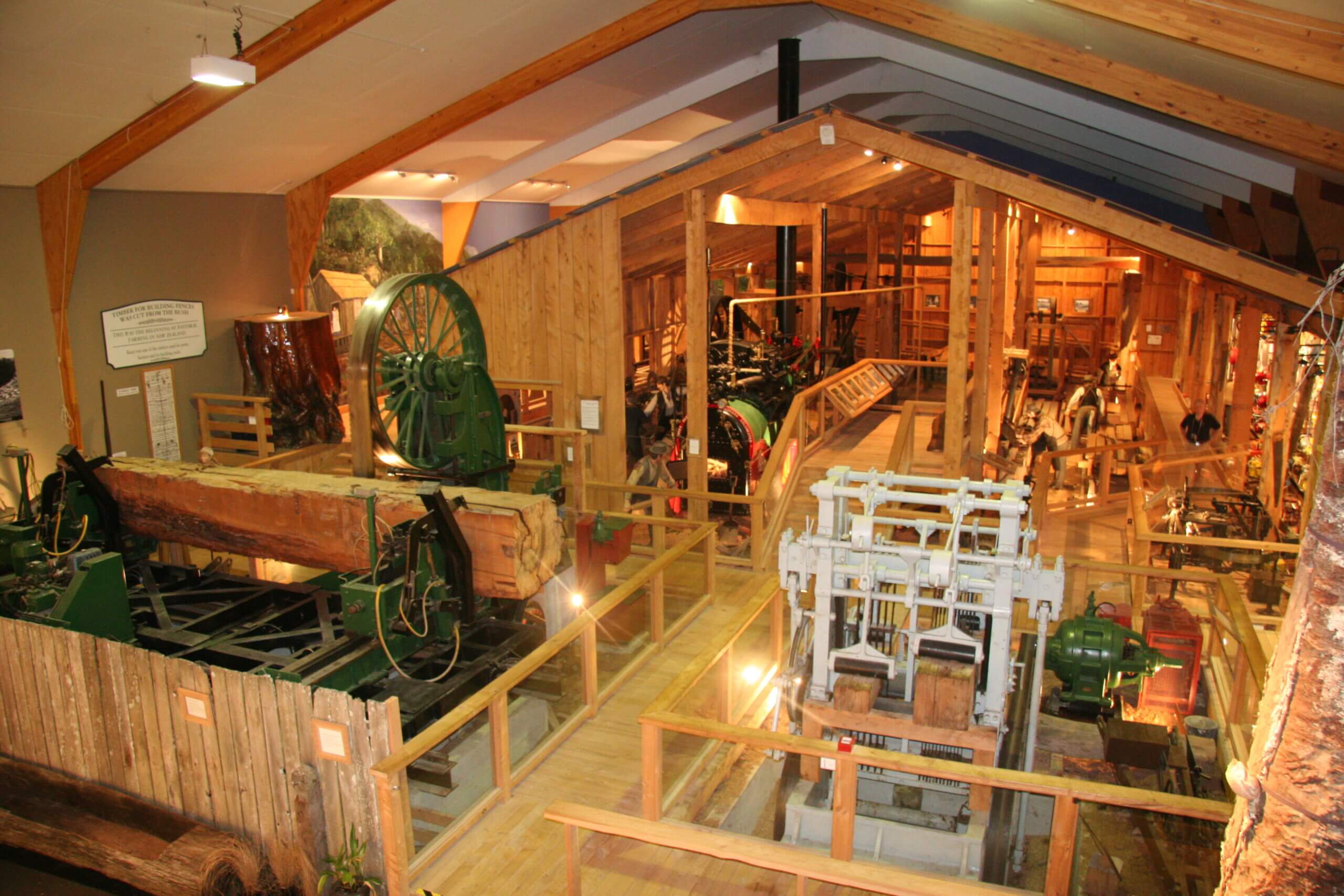
- The Museum includes a full sized sawmill, which moves at slow speed so visitors can get up close to see how the mill works.
- The Smith Wing shows huge kauri logs and has actual equipment for felling trees, transporting logs, milling timber and collecting kauri gum.
- The Sterling Wing showcases a fascinating recreation of a quality 1880-1920 six room home, fully furnished with original decor and lifelike models dressed in period costume – wall to wall with authentic furniture, fittings and ornaments. The Sterling Wing is typical of how kauri timber was used for building homes and for making beautiful furniture, and features many valuable Northland heritage pieces.
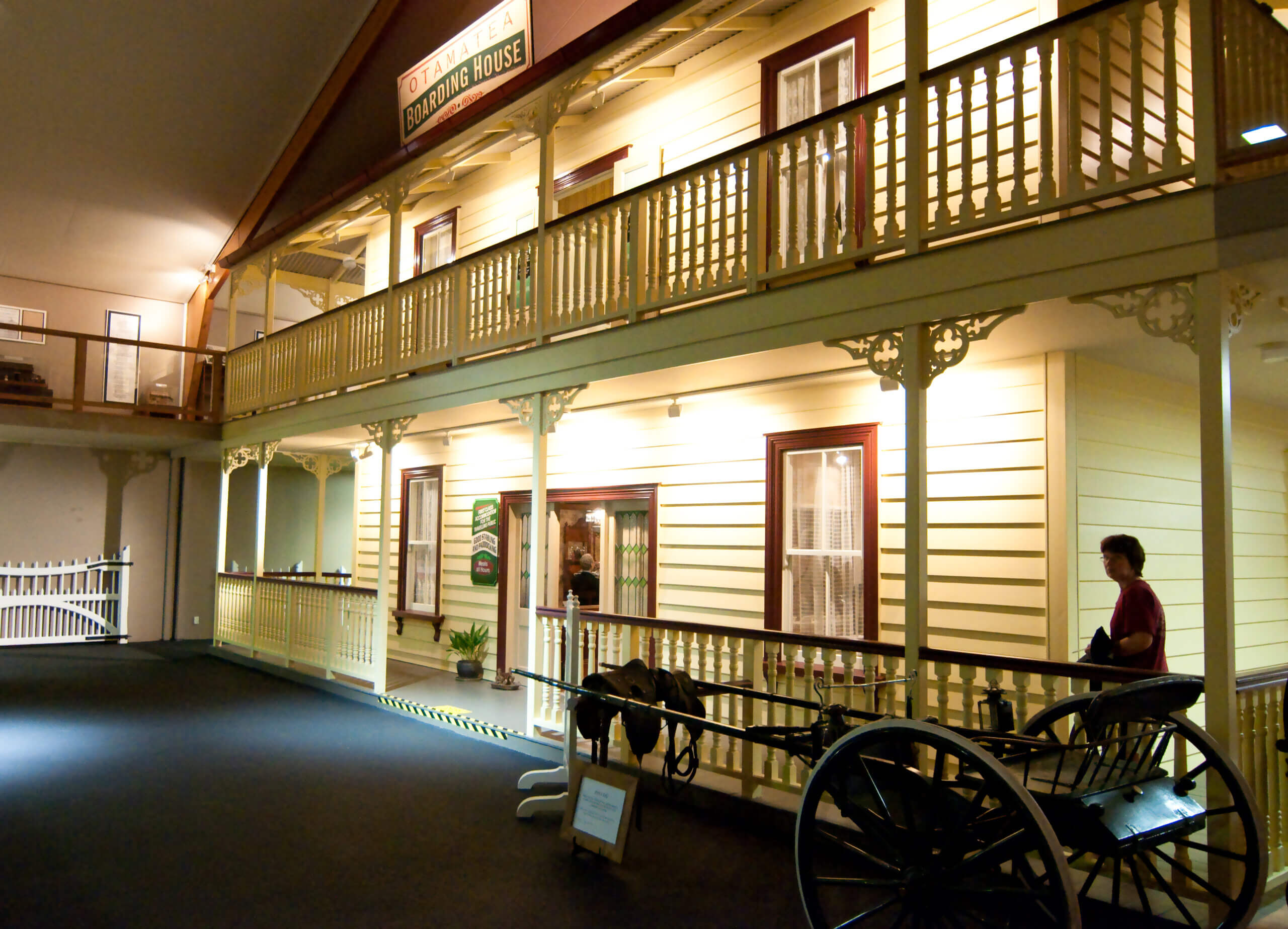
- Our life-size recreation of a two storey boarding house sits inside the museum. As well as providing accomodation, boarding houses provided an important focal point for local commerce, enabling visiting professionals such as dentists and bankers to set up shop and service the local community.The mannequins and lifelike models featured throughout the museum are based on real people. The Boarding House includes a photographic tribute to the boarding houses of the Northland region.